
Soapstone countertops that get better with age
Home » Premium Countertop Installation » Soapstone countertops that get better with age
Heat-proof performance meets natural beauty
If you’re remodeling your kitchen or bathroom and want a countertop that handles the heat while adding warmth and character, soapstone countertops deliver both. This natural stone has a smooth, almost silky texture that sets it apart from harder materials. It resists stains and tolerates high temperatures. Over time, it develops a rich patina that makes each surface one-of-a-kind.
Soapstone brings a soft, organic feel to your home without the high-maintenance of marble or the engineered uniformity of quartz. It’s a wise choice for homeowners who want something that performs under pressure and looks better years from now than it does on installation day.
Why soapstone countertops stand out
Soapstone is softer than granite or quartz, which allows for more handcrafted detailing during fabrication. Edges can be hand-shaped with organic, rounded profiles that reinforce the stone’s artisanal character.
Timeless beauty that develops character
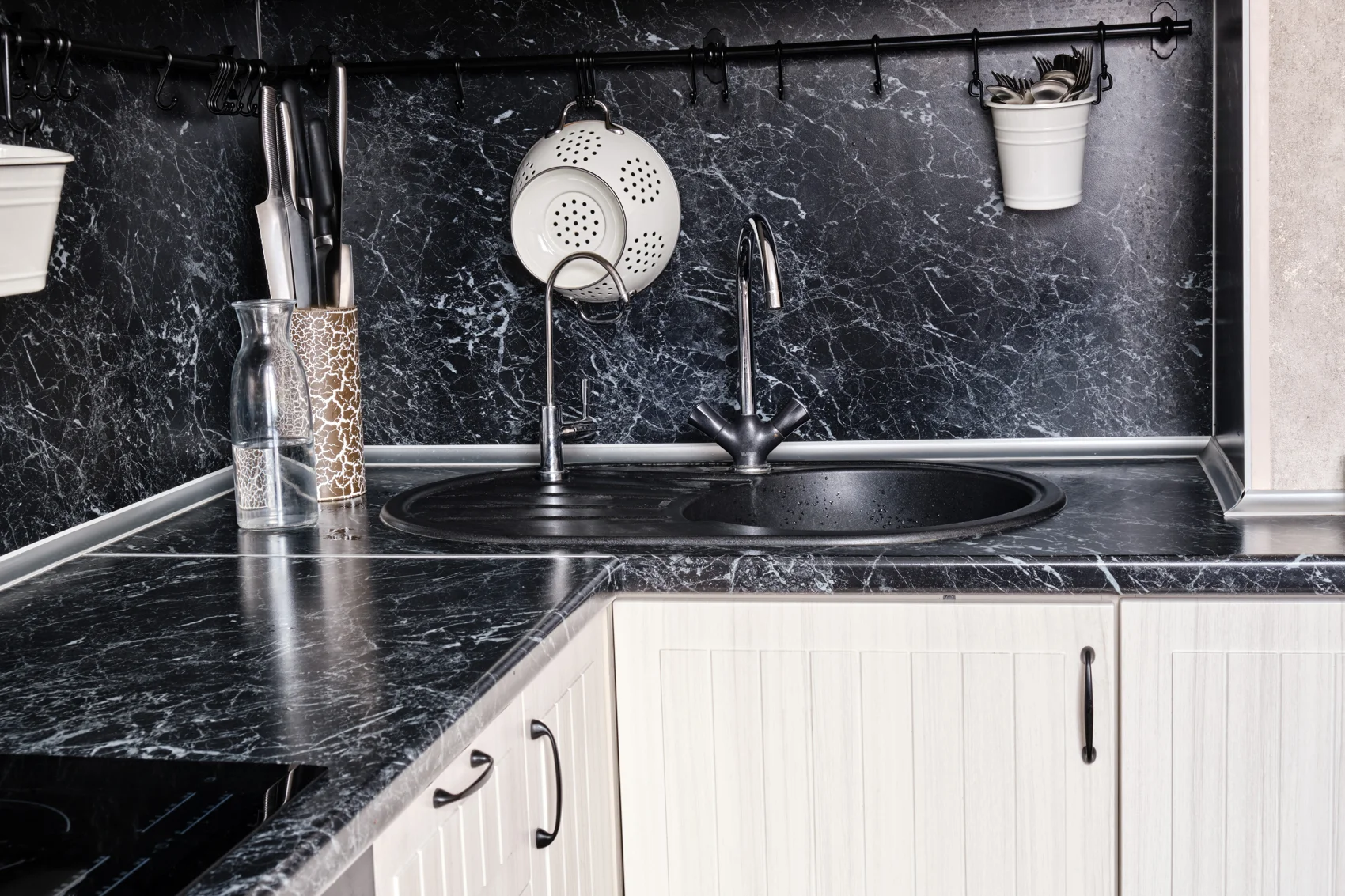
Soapstone starts with subtle gray tones and natural veining. The real transformation happens over time. As you use your countertops, the stone darkens and develops a patina that reflects how you live in your space. You can speed this up with mineral oil, but the stone will naturally darken on its own.
This aging process isn’t a flaw. It’s the main appeal. Light grays deepen into rich charcoals, giving you dark gray countertops with warmth and depth that engineered materials can’t touch.
Heat-proof and stain-resistant performance
Soapstone’s high talc content makes it heat-resistant. Pull a pot off the stove and set it directly on the counter. Done. This is why soapstone kitchen countertops work so well around cooktops. Other materials would scorch or crack under that kind of heat. Bakers appreciate this same quality when working with hot baking sheets and cast iron.
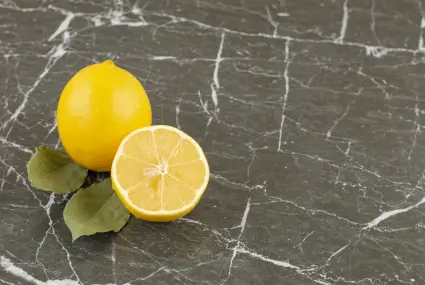
The stone is naturally non-porous, which means stains and bacteria don’t stand a chance. Spills sit on the surface. Wipe them up with soap and water, and you’re good. Acidic foods like lemon juice or vinegar won’t etch the surface the way they do with marble.
Soapstone handles scratches differently
Soapstone is softer than granite or quartz. It scratches. But those scratches either blend into the patina, or you can sand them out with fine-grit sandpaper and a little mineral oil. This takes minutes with no professional required.
This self-healing quality means your countertops age rather than show damage. Minor nicks and marks become part of the stone’s appearance. If you want a lived-in, authentic surface rather than something that needs to stay perfect, this works in your favor.
Low-maintenance from day one
Unlike granite, soapstone never needs sealing. The stone’s dense, non-porous composition keeps moisture, bacteria, and stains out without the need for chemical treatments.
Daily cleaning takes seconds: warm water, mild dish soap, soft cloth. No special cleaners. No annual sealing appointments. No complicated routines.
Ready to see soapstone in person?
Visit our showroom in Garner to explore slabs, ask questions, and get a custom quote for your project. Our team will walk you through your options and help you find the perfect stone for your space.
Soapstone colors, finishes, and design styles
Soapstone ranges from soft blue-gray to deep charcoal, often with dark green undertones and white veining that adds movement. Each slab looks different. The natural variations mean you’ll never see two installations that match exactly.
Most soapstone countertops are finished with a honed surface that enhances the stone’s soft, organic feel. Leathered finishes are available but less common.
Farmhouse countertops and soapstone are a natural pairing. The stone’s soft texture and rustic appeal complement apron-front sinks and shaker cabinetry. Soapstone has a long history in early American homes and historic renovations, which is why it feels so authentic in traditional and cottage-style kitchens. But it’s not locked into one style. The smooth texture and neutral palette work in sleek modern kitchens, coastal bathrooms, and contemporary spaces where the organic feel softens clean lines.
How to care for soapstone countertops
Daily cleaning is simple. Use warm water and mild dish soap with a microfiber cloth. Avoid harsh degreasers, bleach-based products, and abrasive cleaners.
Mineral oil is optional. If you want to deepen the color and speed up the darkening process, apply it every few weeks at first. You can use it less often as the patina develops. The oil doesn’t seal anything. It just brings out the color you’d get naturally over time.
Scratches or dull spots?
Lightly sand with a fine-grit sandpaper, then apply mineral oil. It blends right back in.
Soapstone pricing and value
Soapstone pricing is comparable to mid-range granite. Costs vary based on the slab’s origin, thickness, and the complexity of your project.
The investment makes sense when you consider the heat and stain resistance and how long this stone lasts. It’ll outlast your cabinets and appliances without the ongoing cost of sealing or professional treatments.
Best applications for soapstone
Soapstone excels in kitchens, where its heat resistance and non-porous surface make it ideal for countertops, islands, and baking stations. It’s especially popular around ranges and cooktops. Bathrooms are another natural fit, and the stone works well for fireplace surrounds thanks to its heat tolerance. We don’t recommend soapstone for high-traffic flooring or workshop surfaces where heavy, abrasive wear could cause excessive scratching.
Explore soapstone for yourself
Soapstone is a stone you need to see and feel in person. Stop by our Raleigh-area showroom to explore full slabs, compare colors and finishes, and talk through your project with our team.